
DNAe Early Access
DNAe are making a sample-to-answer sequencing platform, they’ve recently announced their early access program1.
Sam Reed from DNAe commented that this is a NGS based system! Will be excited to see that!
From my previous writeup it’s clear that they’ve been shipping “alpha” instruments since 2023, but this is the first “public” statement they’ve made. In their 2024 accounts they also said they had completed a 3-month run of an “Alpha 3.0” device in a hospital2.
Anyway it seems to be a good time to update my review DNAe!
DNAe Company Background
DNA Electronics was incorporated as SuniSeq Limited on the 4th of July 2003. So they’re a little over 20 years old. Back in 2010, 15 years ago, they licensed some ISFET sensing technology to Ion Torrent.
So, it’s always a little surprising to see how long DNAe have been developing their technology… while the licensed certain aspects to Ion Torrent, which in a fraction of the time launched and was acquired.
DNAe’s financial situation is always a little unclear to me. They appear to be bankrolled by Genting Berhad Ltd, via another company called Edith Grove Ltd. They also have a large grant from BARDA. In 2023 they spent 77.9MGBP ($104M).
Their accounts suggest they are ~368MGBP in debt to their parent company and others, suggesting they’ve raised/spent >$500M+ in total.
Technology - Sample Prep/qPCR Readout?
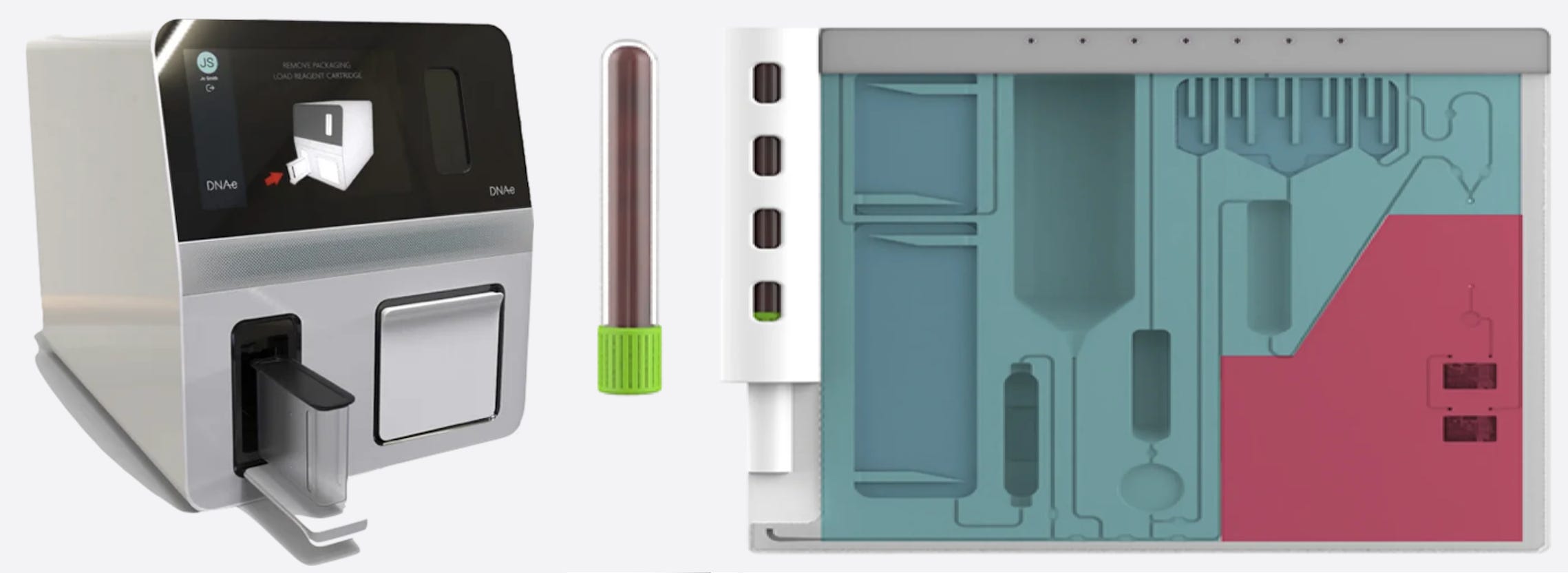
DNAe are building a point-of-care DNA sequencer. They talk a lot about DNAe’s BSI/AMR test. So… Sepsis. This has long been a target for rapid, low-cost. east to use, DNA sequencing instrumentation.
Patents show cartridges with a similar form factor to those shown on their site:
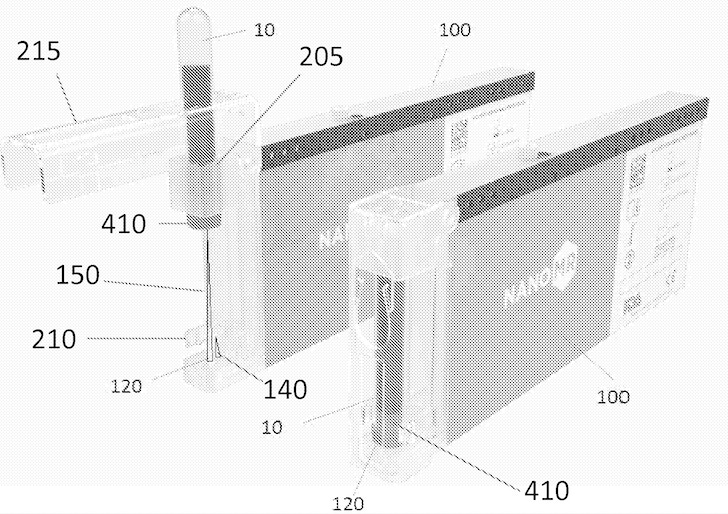
The cartridge seems to take a vacutainer, a large volume of material. This makes sense, as when they are drawing blood for other purposes, they can take one more vacutainer for the DNAe test.
From what I can tell this device is pushing the sample through a fairly traditional workflow. They talk about extracting DNA on magnetic beads, with “magnetic traps” to confine the beads as necessary. Traditional extraction and lysis methods are used, and aside from potentially using differential lysis the large sample volume likely means that traditional methods work well here.
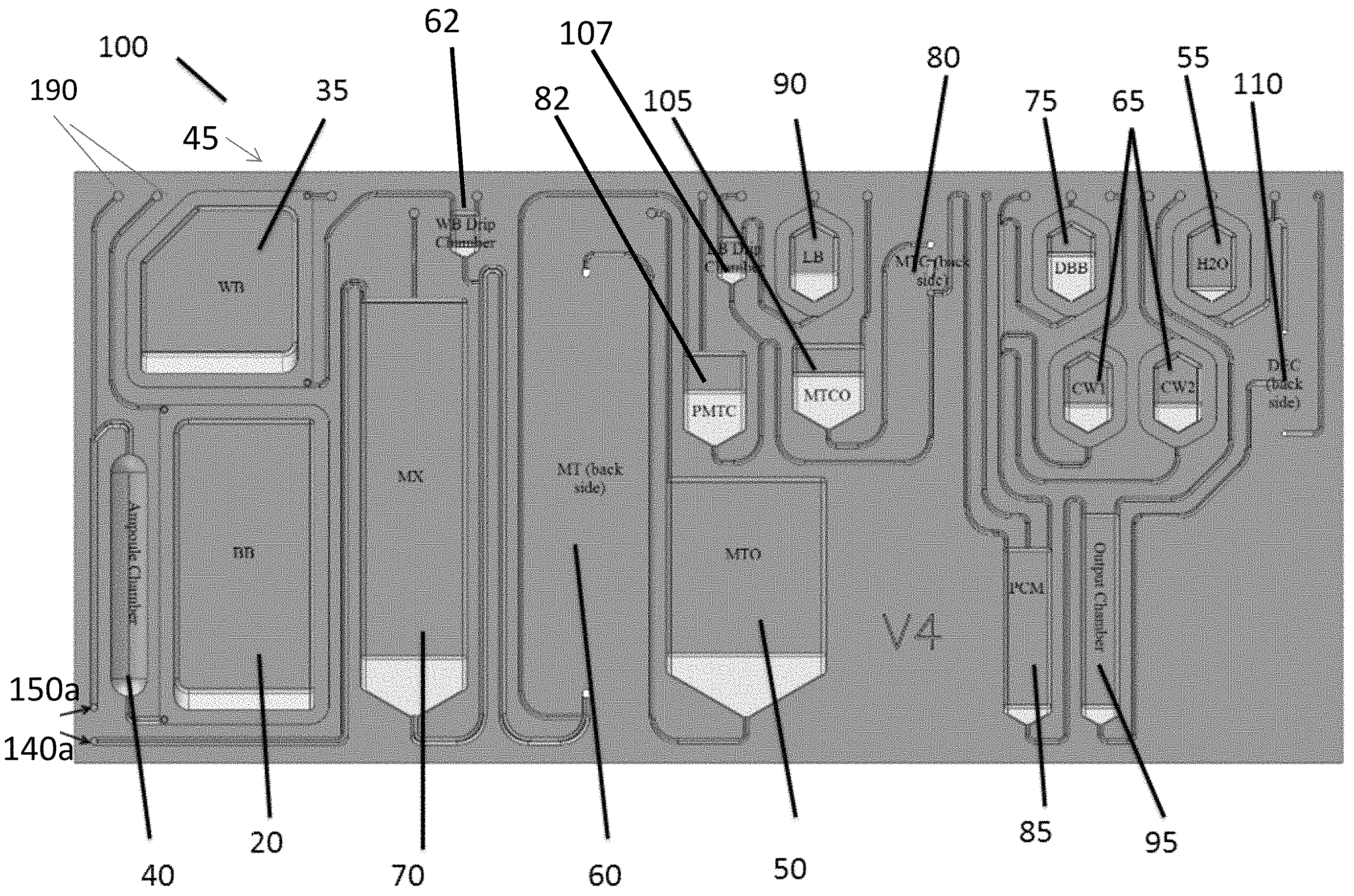
This technology comes from NanoMR, a company DNAe acquired which was working on the extraction side, with qPCR readout.
The wording of the early access however suggests that they are not doing sequencing during at present. Rather they are using a targeted detection approach I discussed previously. Here you do targeted primer extension and create a large number of ions, just with just a yes/no readout.
This is what I expect they are launching as early access.
This makes it much more similar to a high-plex PCR platform. More of a competitor for the FilmArray than a new bread of device.
Technology - Sequencing
DNAe are clear that LiDia-Seq can use sequencing3.